Just Transition
Harnessing the clean transition will be key to building a more competitive EU
The JRC sets out how to harness the clean transition, boosting jobs, enhancing security and protecting our environment.
Supporting equitable transition to sustainable energy
16 articles found
The JRC sets out how to harness the clean transition, boosting jobs, enhancing security and protecting our environment.
Why are critical minerals suddenly at the centre of global politics?
Executive summaryThe low‑carbon transition is now underway and is reshaping labour markets, investment patterns,...
The government has abandoned its plan to shut down a major coal plant, which was a key part of the deal, raising...
This briefing shows how integrating justice into circular economy policies strengthens environmental and social outcomes. It draws on three reports from the European Topic Centre on Circular Economy and Resource Use on a just circular economy ; on operational frameworks and indicators ; and on jobs, skills, and workforce inclusion .
Just Transition No Time to Lose: Final Report of the 2nd Just Transition Commission (2026) Published on 19 Feb...
In the waters of the German North and Baltic Seas, the options for marine carbon dioxide removal and geological...

Continuing the series on ‘just transition’, Natalie Bennett argues that the media have an ethical responsibility to foster public understanding.
This report considers how justice is tackled in the policies which are currently in place to deliver the European Green Deal. It summarises the lessons learnt for policy-makers seeking to achieve a fair green transition, by moving from the concept of justice to the practice of embedding fairness in the design and implementation of policies.

Solutions for decarbonising multi-family buildings already exist, from heat pumps to modernised district heating, but wider deployment will require a clearer and faster regulatory framework.
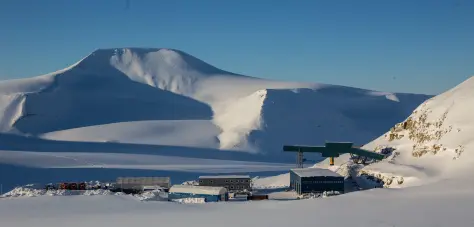
The phase-out of coal for power generation is a political, rather than an economic decision, and has uncertain outcomes. To fulfil its obligations under the UNFCCC Paris Agreement of 2015, the European Union has decided to steadily wind down electricity production from solid fossil fuels – coal, lignite, peat and oil shale. For coal-intensive regions,…
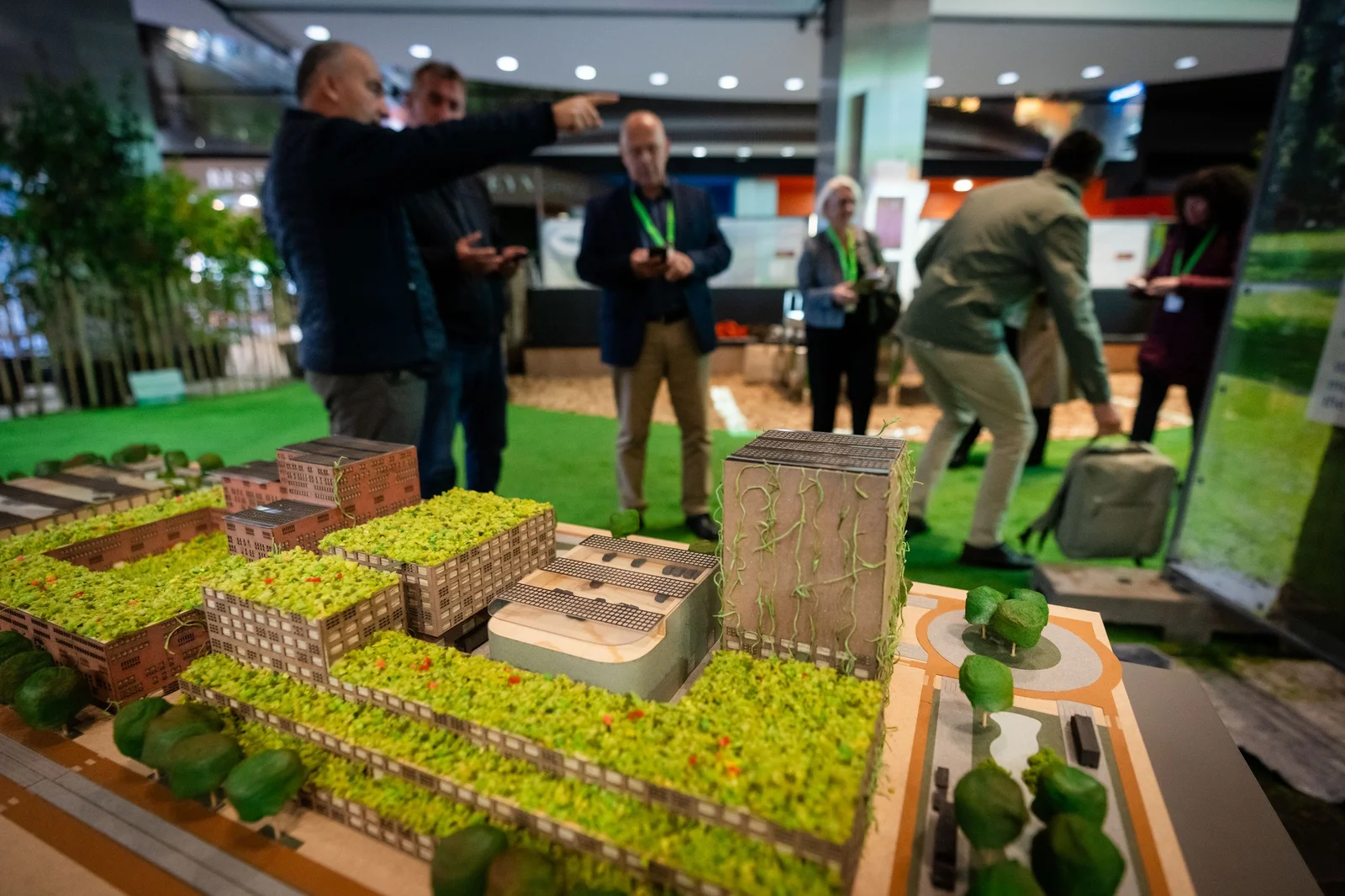
The experience at FGCC’24 reaffirmed Kosovo’s potential to transform its cities into models of sustainability and climate resilience. While the insights gained from international experts are invaluable, the next step is implementation.