The experience at FGCC’24 reaffirmed Kosovo’s potential to transform its cities into models of sustainability and climate resilience. While the insights gained from international experts are invaluable, the next step is implementation.
Kosovo’s Path Toward Sustainable Cities: Insights from FGCC’24
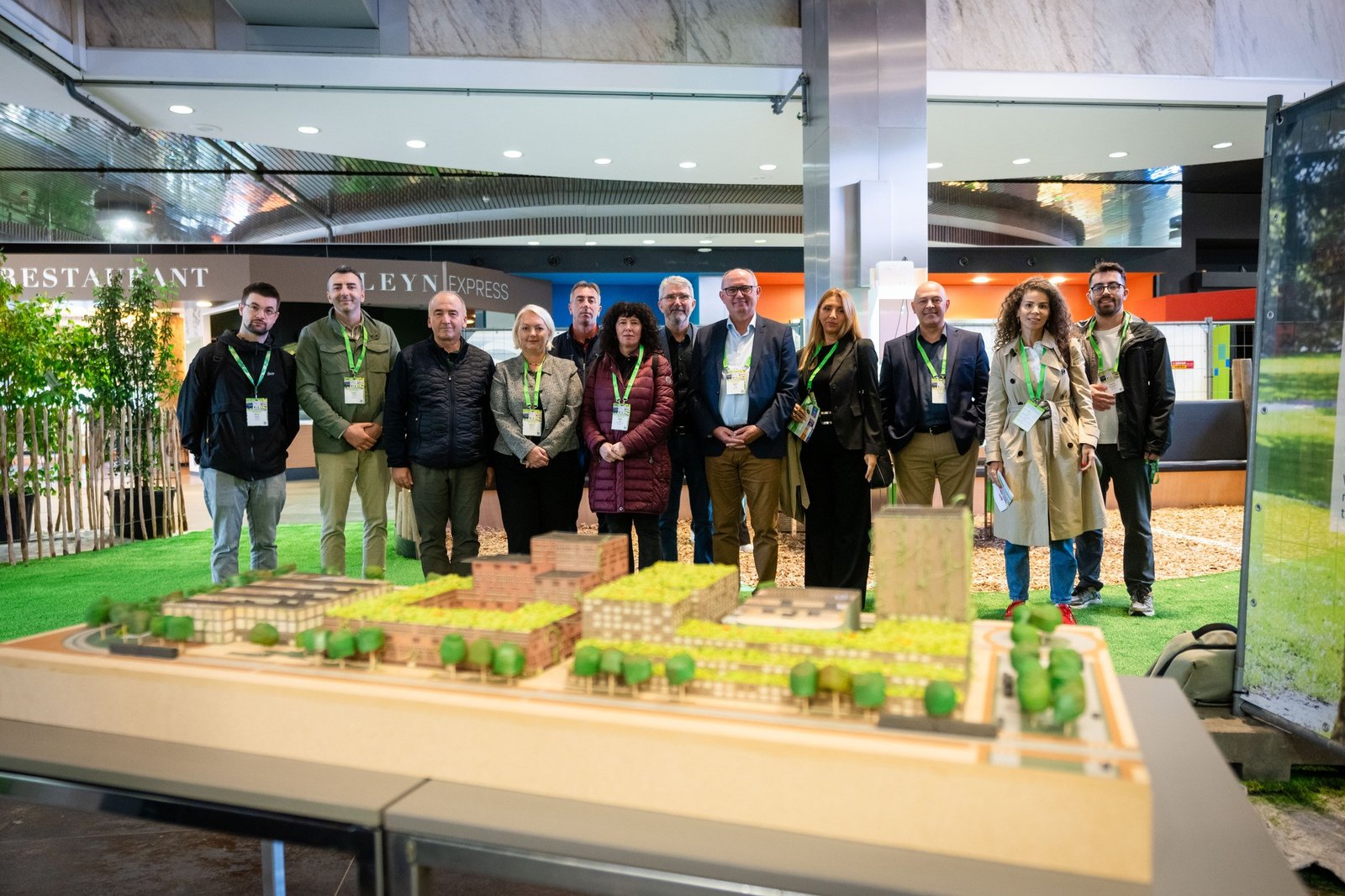
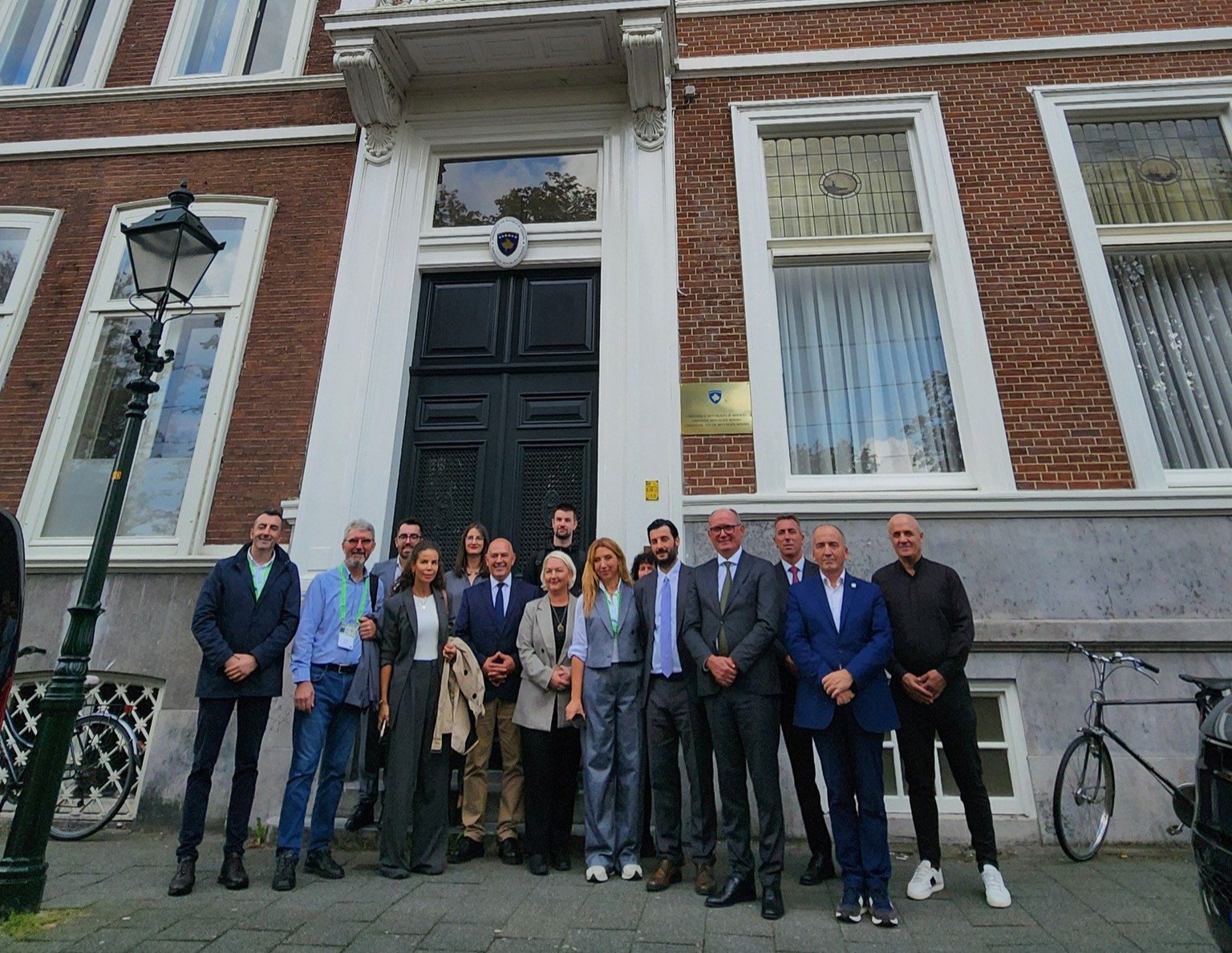
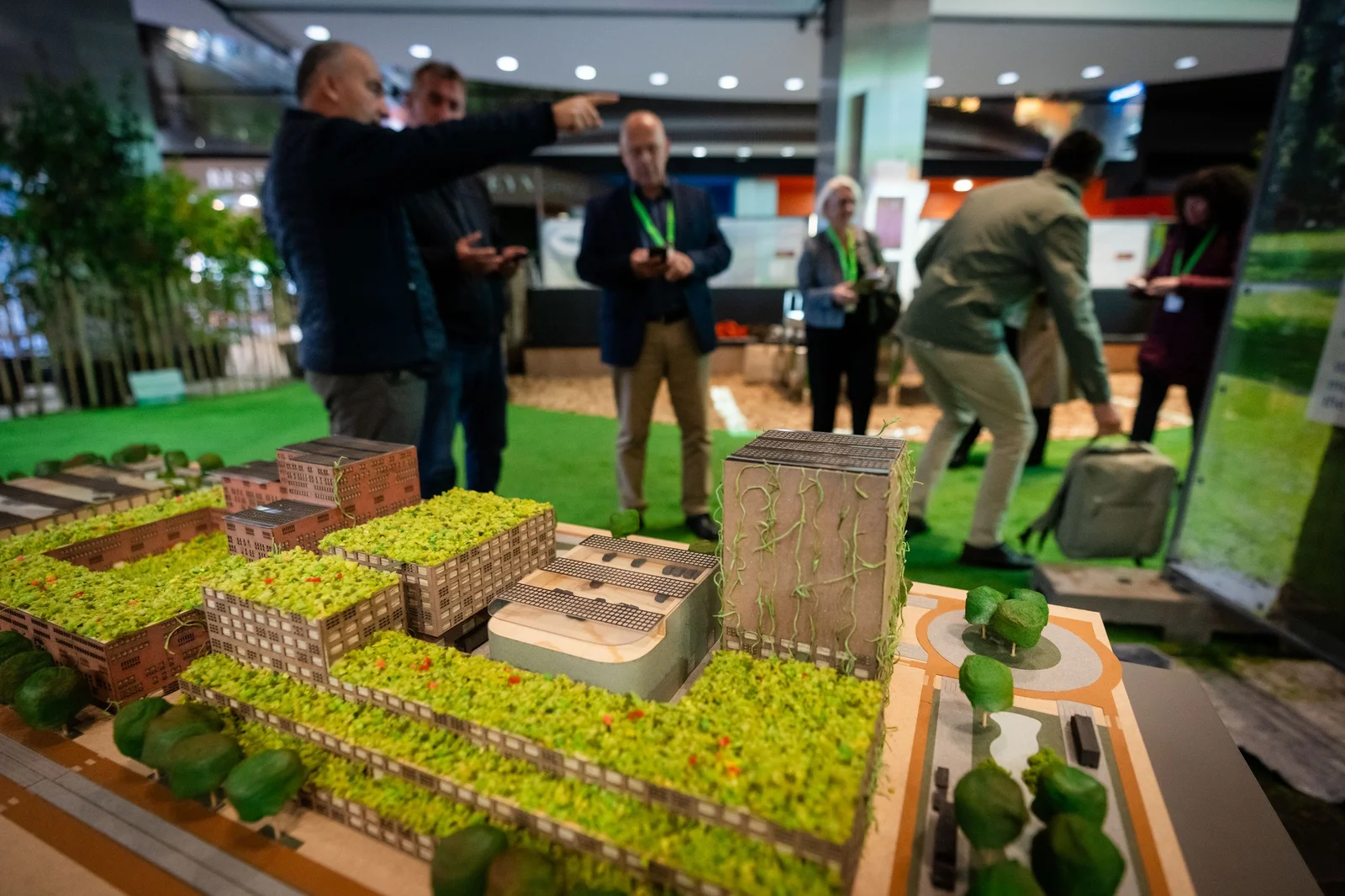
In a significant step toward a more sustainable and eco-friendly future, Green Energy Kosova (GEK) joined a 13-member delegation from Kosovo at the Future Green City Congress (FGCC’24) in Utrecht, Netherlands. This delegation, organized by the USAID Kosovo Adapt Activity, was a diverse and impactful group comprising representatives from GEK, academia, municipal leadership, and key stakeholders from across Kosovo. The event served as a unique platform for knowledge exchange, collaboration, and inspiration, reinforcing Kosovo’s commitment to integrating sustainable urban solutions into its cities.
A Global Platform for Sustainable Urban Development
The Future Green City Congress brought together experts from 59 countries, offering a rare opportunity for Kosovo’s delegation to engage with leading voices in the fields of sustainable urban development, climate adaptation, circular economy, and water management. Cities worldwide face growing environmental and infrastructural challenges, and this congress provided a stage for sharing innovative approaches and best practices that can be adapted to Kosovo’s urban landscape.
Throughout the four-day event, participants explored cutting-edge green infrastructure solutions, participated in interactive sessions, and engaged in discussions that emphasized climate resilience and adaptation strategies. From smart water management techniques to sustainable building materials and nature-based solutions, the insights gained from this congress hold immense value for Kosovo’s transition toward a greener and more sustainable urban environment.
The Urgency for Sustainable Cities in Kosovo
Kosovo’s cities are rapidly expanding, and with this growth come significant environmental and infrastructural challenges. Issues such as air pollution, inefficient waste management, outdated infrastructure, and climate vulnerabilities require urgent and innovative solutions. Cities must adapt to climate change by implementing forward-thinking policies that reduce emissions, enhance green spaces, and promote sustainable mobility.
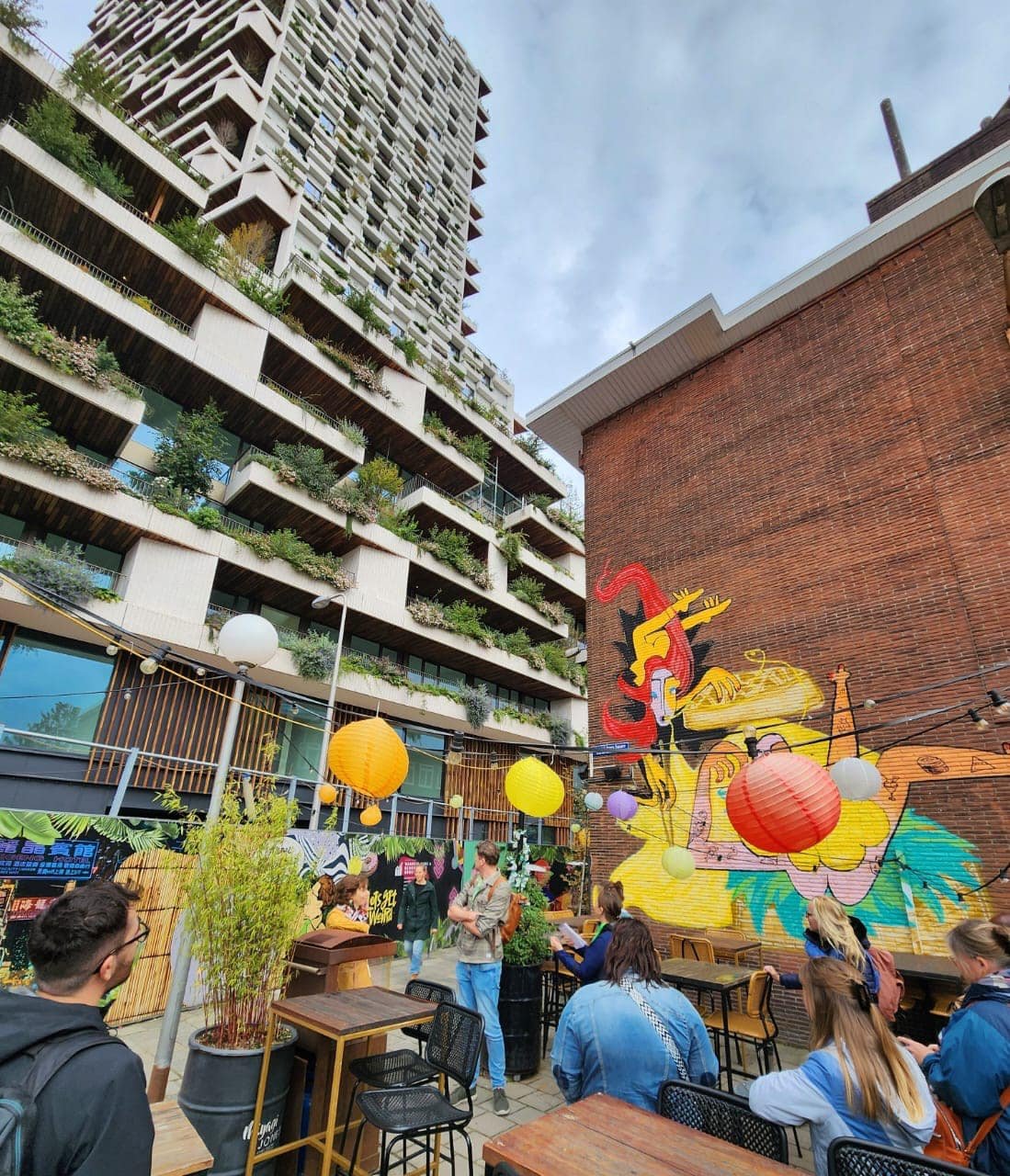
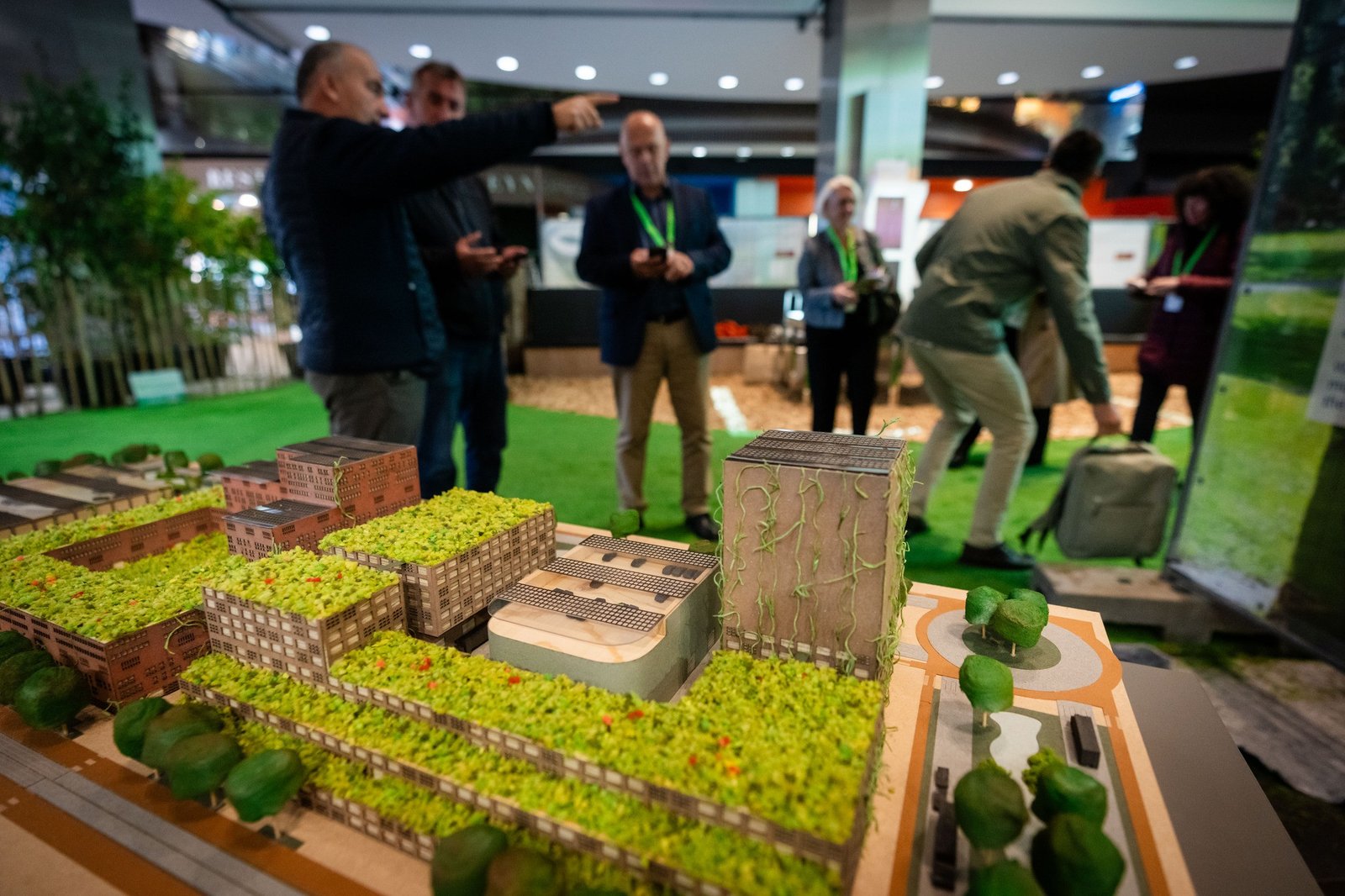
By participating in FGCC’24, Kosovo’s delegation had the opportunity to learn from cities that have successfully transitioned toward sustainability. For example, Amsterdam’s approach to circular economy, where waste is minimized and resources are continuously repurposed, serves as an excellent model for improving Kosovo’s waste management systems. Similarly, green roofs and urban forests in Utrecht provide examples of how to enhance climate resilience in urban planning.
Key Takeaways and How They Can Shape Kosovo’s Future
- Green Infrastructure for Resilient Cities
One of the most critical lessons learned at the congress was the importance of integrating green infrastructure into urban planning. Kosovo’s municipalities must prioritize investments in green roofs, rain gardens, permeable pavements, and urban forests to combat urban heat islands and improve air quality. Cities like Prishtina, Prizren, and Peja have the potential to become regional leaders in urban sustainability if they adopt these strategies. - Sustainable Water Management
Given the increasing risks posed by climate change-related droughts and flooding, Kosovo must develop smart water management strategies. Lessons from the Netherlands’ advanced flood prevention systems highlight the need for improved water retention infrastructure in Kosovo’s urban areas. Constructed wetlands, rainwater harvesting systems, and smart irrigation solutions can significantly enhance water efficiency in municipalities. - Circular Economy and Waste Management
The adoption of a circular economy model is crucial for Kosovo to reduce waste, improve recycling rates, and transition toward a more resource-efficient economy. At FGCC’24, Kosovo’s delegation learned about successful zero-waste city initiatives, which could serve as blueprints for implementing more sustainable waste management practices across the country. - Urban Mobility and Low-Carbon Transport
Cities that reduce their dependence on fossil fuels and invest in pedestrian-friendly infrastructure, cycling lanes, and electric public transport systems can significantly cut emissions. The delegation explored smart mobility strategies that Kosovo can integrate into its urban policies to improve air quality and traffic congestion while promoting sustainable transport.
Turning Insights into Action
The experience at FGCC’24 reaffirmed Kosovo’s potential to transform its cities into models of sustainability and climate resilience. While the insights gained from international experts are invaluable, the next step is implementation. This requires collaboration between:
- National and local governments to develop and enforce sustainable urban policies.
- Academic institutions to conduct research and offer innovative solutions.
- The private sector to invest in green technologies and circular economy initiatives.
- Civil society organizations to advocate for climate resilience and urban sustainability.
The Role of Green Energy Kosova (GEK) in Driving Change
As a key participant in this delegation, Green Energy Kosova (GEK) is committed to ensuring that the knowledge and expertise gained from FGCC’24 translate into tangible actions. GEK will continue working with municipalities, businesses, and policymakers to integrate green infrastructure solutions, renewable energy, and sustainable urban planning into Kosovo’s future development strategies.
A special thanks to USAID Kosovo Adapt Activity for making this experience possible and for fostering a platform where meaningful knowledge exchange and collaboration could take place. Events like FGCC’24 inspire and strengthen Kosovo’s commitment to building a sustainable, livable, and eco-friendly urban future.
The journey toward green cities starts now, and Kosovo has the opportunity to be at the forefront of sustainable urban transformation in the Western Balkans. 🌱